
How your audience perceives and trusts you. This guide walks you through the complete branding process, from the first briefing to final delivery and follow-ups. You’ll learn what to expect from professional designers, how to prepare for each stage, and how to make the most of your investment. Whether you’re launching a new brand or refining an existing one, understanding this workflow ensures a smoother collaboration and a more powerful digital presence...
How your audience perceives and trusts you. This guide walks you through the complete branding process, from the first briefing to final delivery and follow-ups. You’ll learn what to expect from professional designers, how to prepare for each stage, and how to make the most of your investment. Whether you’re launching a new brand or refining an existing one, understanding this workflow ensures a smoother collaboration and a more powerful digital presence...



Digital Branding: What It Is, What to Expect, and How to Prepare for It

Frank Arellano
Founder of Plexotrade LLCBefore investing in a complete branding service that will support your website, print materials, social media, and more, it’s important to consider a few key aspects to ensure you’re getting the most out of it.
Digital branding is inseparable from your online presence—it becomes your identity: how your customers or followers perceive you, how they remember you, and how much they trust you.
To grow in the digital ecosystem, having a strong, dynamic, and well-defined brand is essential.
In this article, I’ll walk you through what to expect from professional branding services. Treat each section that follows as a step-by-step guide or checklist to help you along the process.
1. Initial Briefing
The initial contact is crucial — it’s the perfect opportunity to ask questions, clear up doubts, and understand exactly what you’re paying for. Both you and your designer should use this stage to define the scope of the service — what can realistically be done within the given budget.
The timeline is another key factor to clarify early on. Make sure to address the following points:
- Costs
- Scope and limitations
- Project duration
- Intellectual property rights
- Contract terms
Once these details are clear, it’s time to move forward. Encourage your designer to send you a briefing template or questionnaire to help you formally outline your goals, expectations, and desired outcomes.

Briefing Expectations
Your designer will help you identify — or refine — your brand’s values, purpose, and vision, if they aren’t already well defined.
Another major benefit of a professional designer is their ability to provide a tentative analysis of your target audience: their mental models, preferences, and needs.
Finally, reviewing any previous materials, competitor references, or inspirational examples is essential. These serve as valuable visual and conceptual guidance, helping you communicate subtle details and ultimately enhance the final result.
2. Strategic Analysis
Once you’ve established a professional connection with your designer, it’s time to let them do what they do best — bring your ideas to life.
A true professional designer will often use agile frameworks, such as SCRUM, to manage your project efficiently. This approach allows you to be part of the process and even follow progress in real time — something we primarily do through GitHub. From the very first day, this structured workflow ensures your project stands on solid foundations.
At this stage, your designer’s focus should be on planning and research, not yet on visual design. This involves market and competitor analysis, opportunity identification, and defining potential value propositions.
It’s essentially a thorough diagnosis of your brand — interconnecting ideas, refining concepts, and shaping them into a coherent strategy that can later be translated into design.
Every serious branding project requires a well-documented process. That’s why tools like GitHub are invaluable, alongside organized deliverables such as Word or PDF reports, shared throughout and after the service.

Mailchimp for Marketing Campaigns
Use the PLEXOSOFT coupon at checkout and enjoy 20% off any product or service on our site.
3. Conceptualization and Design
Now the designer can finally get hands-on — this is where ideas start taking visual form. At this stage, all visual references come together: mood boards, sketches, color palettes, and the overall tone, voice, and emotional atmosphere your brand will communicate.
Concepts begin to take shape and are refined step by step. You’ll likely start seeing visual drafts and uploads appear in the GitHub repository created for your project.
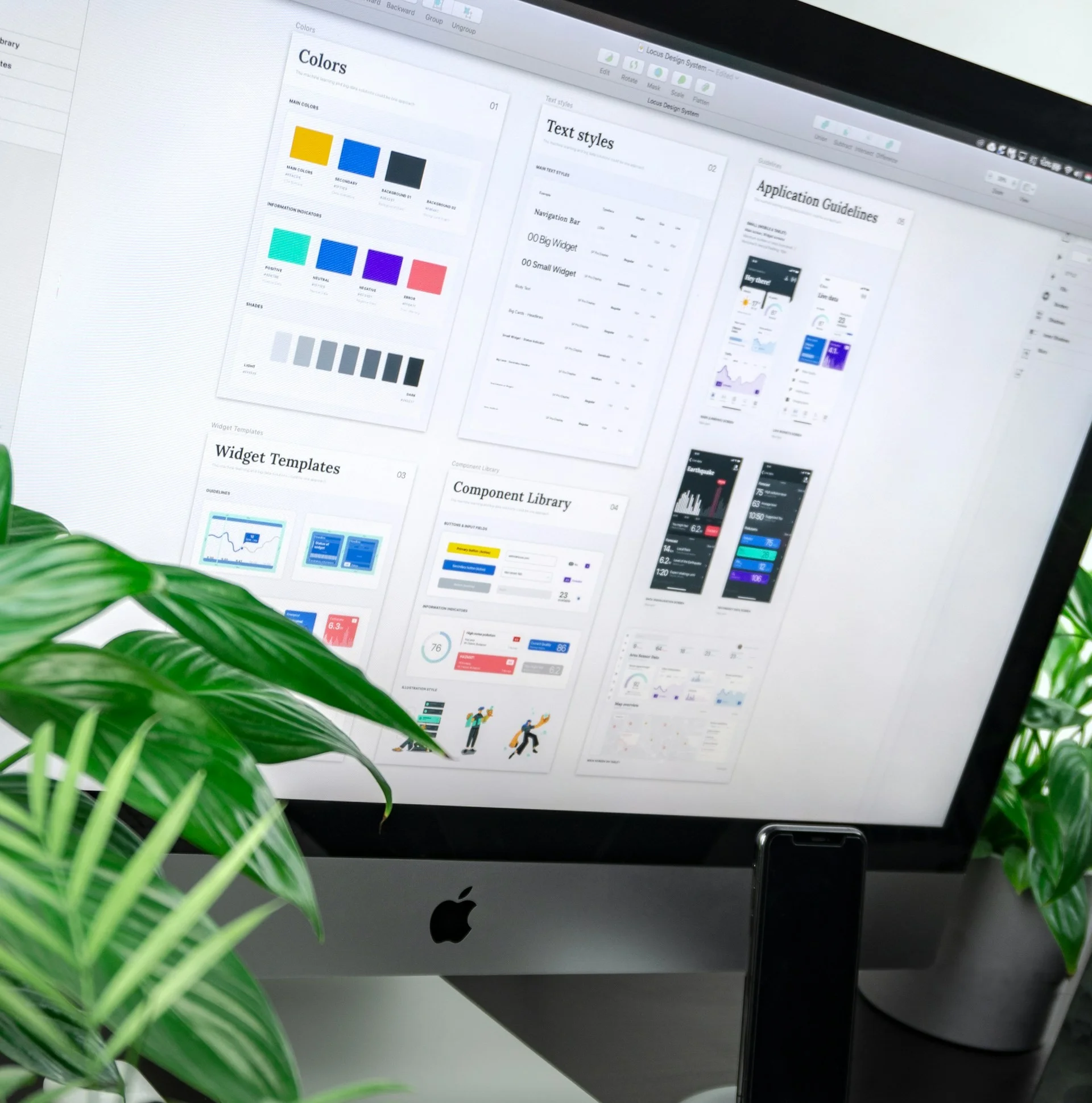
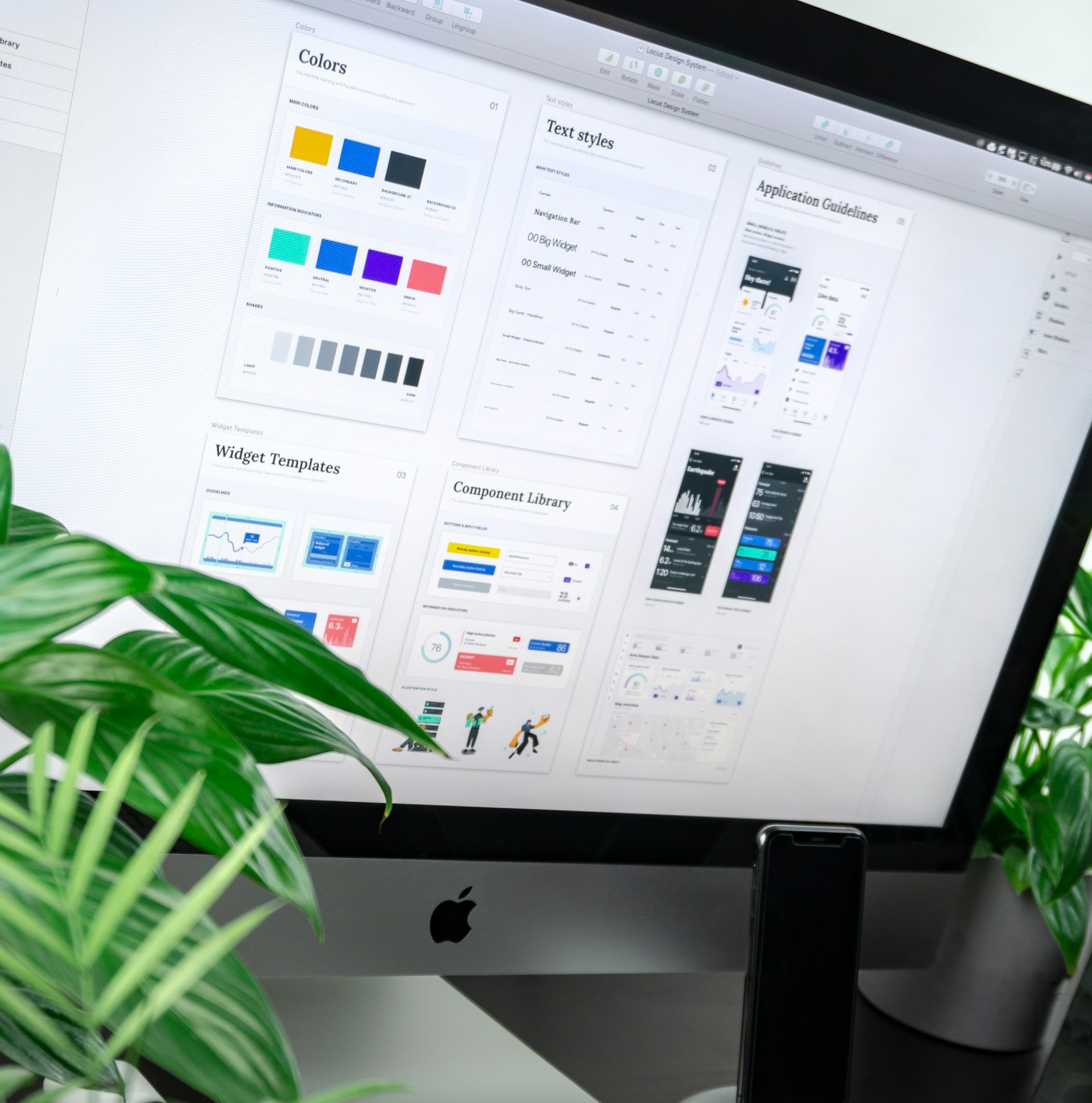
During this phase, the designer defines and implements the color palette, typography, main logo and its variations, as well as supporting symbols or graphic elements.
You’ll also start receiving mockups and presentations, which allow you to give iterative feedback and watch the project evolve in real time.
That’s the power of the SCRUM approach — the client actively participates in the creative process, reducing costs, saving time, and resulting in a more efficient, higher-quality outcome.
You’ll get to witness the technical mastery and creative skill of your designer in action — something both impressive and inspiring to experience.
4. Presentation and Feedback
At this point, your designer will take some time to organize and tidy up the digital workspace, preparing everything for the final delivery.
During this stage, the designer should present the final explanation of the concept, including its meaning, visual rationale, and value propositions.
In some cases, the project may be divided into two main phases — proposal and delivery — so the complete presentation might not happen until later.
During the proposal phase, the designer typically creates up to three concepts or variations, from which you’ll select one to move forward with, depending on the initial agreement.
This step is crucial for both parties:
- For you, it’s the moment to evaluate whether the project aligns with your vision and is worth further investment.
- For the designer, it’s the opportunity to defend and justify their creative direction and protect the integrity of their work.
It’s common practice to pay 50% upfront or an amount sufficient to cover the proposal phase before proceeding to final development.
Finally, you and your designer will review the proposals together, select your preferred direction, provide constructive feedback, and prepare for final refinements before completion.

Mailchimp for Marketing Campaigns
5. Final Delivery
By this stage, you already know what to expect. You’ve made your decisions, and your brand identity has come to life — not just as an idea, but as a tangible set of visual assets.
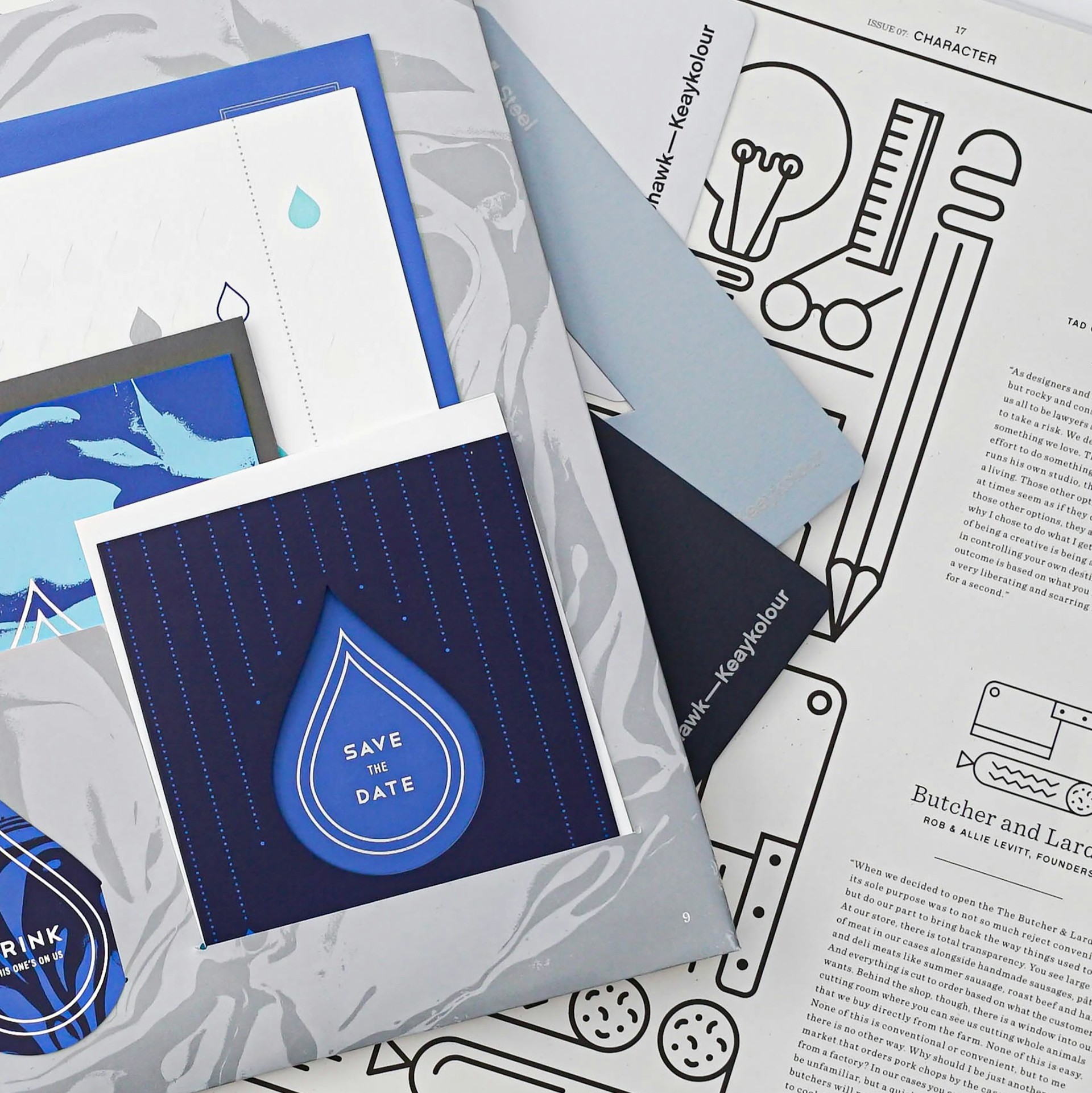
With the final delivery, you should receive a brand book along with all design files in multiple formats such as JPG, PNG, PDF, AI, and SVG.
If your agreement includes the transfer of intellectual property rights, make sure to request the original source files as part of the final handover. This is important in case you need to ask other designers to make changes to your logo and regenerate the high-quality assets.
The designer will typically provide a .zip package containing all branding assets, neatly organized into folders, ready for immediate use across your website, social media, and printed materials.
A professional designer should also give you a final presentation and offer guidelines on how to properly use and maintain your media files and brand assets.
It’s also good practice to allow your designer to showcase the project in their portfolio once your branding has been officially launched. This helps them demonstrate their process and craftsmanship — they won’t resell your work, and granting permission is a thoughtful gesture of appreciation.
Finally, provide your closing feedback, ensure all deliverables are complete, and end the project on a positive note. Don’t forget to recommend your designer’s work — it’s the best way to show gratitude for their effort and creativity.
6. Follow-ups
It’s completely normal to notice a few small details or inconsistencies after the final delivery. That’s why your contract should always include two or three free revisions. These revisions are a professional courtesy — a gesture of goodwill and proof of the designer’s commitment to ensuring your brand works smoothly across all platforms and formats.
We recommend making a clear list of issues or adjustments before requesting changes, so you can use your included revisions wisely.
Typically, any additional revisions beyond those agreed upon are considered extra work and will be billed accordingly.
A professional designer should also remain available for follow-up services such as consulting, brand supervision, updates, or adaptations as your business grows and evolves.
Staying in contact with the creator of your project is essential. Think of it like software — it’s always better to speak directly with the original developer who understands every nuance and intention behind the work, something other designers may not fully grasp.
Use the PLEXOSOFT coupon at checkout and enjoy 20% off any product or service on our site.





Comments (0)